In sequence-based algorithms, the dimensionality problem can be pronounced, where the difficulty exponentially grows as the feature size increases

Injectable & IV Treatments Lipotropic (MIC) injections - for metabolism and fat burning Vitamin C, D, and other nutrient injections Glutathione injections - for antioxidant support IV hydration therapy and vitamin drips NAD+ IV therapy - for anti-aging and cellular health Anti-Aging Injectables Botox/Dysport (neuromodulators) - for wrinkles and fine lines Dermal fillers (Juvederm, Restylane) - for volume restoration Lip fillers Sculptra - for collagen stimulation Kybella - for double chin reduction Laser & Light Treatments IPL Photofacial - for sun damage and pigmentation Laser skin resurfacing Energy-Based Devices RF Microneedling (Sylfirm X) - for skin tightening PDO Thread lifts Microneedling with PRP Body Contouring EMSculpt - muscle building and fat reduction Radiofrequency body tightening Cellulite reduction treatments Facial Treatments HydraFacial Chemical peels (VI Peel, Vitalize, Rejuvenize) Microdermabrasion Medical-grade facials Oxygen facials Skin Rejuvenation PRP (Platelet-Rich Plasma) facials Exosome therapy LED light therapy Wellness Services Lymphatic drainage massage Medical-grade skincare products Body wraps and scrubs Weight loss programs We recommend combining B12 injections with IV therapy for enhanced energy and metabolism benefits, or pairing them with anti-aging treatments like Botox and fillers for a comprehensive "look good, feel good" approach
Benefits for Patients with Absorption Issues Subcutaneous B12 shots are a big help for those who cant absorb B12 well
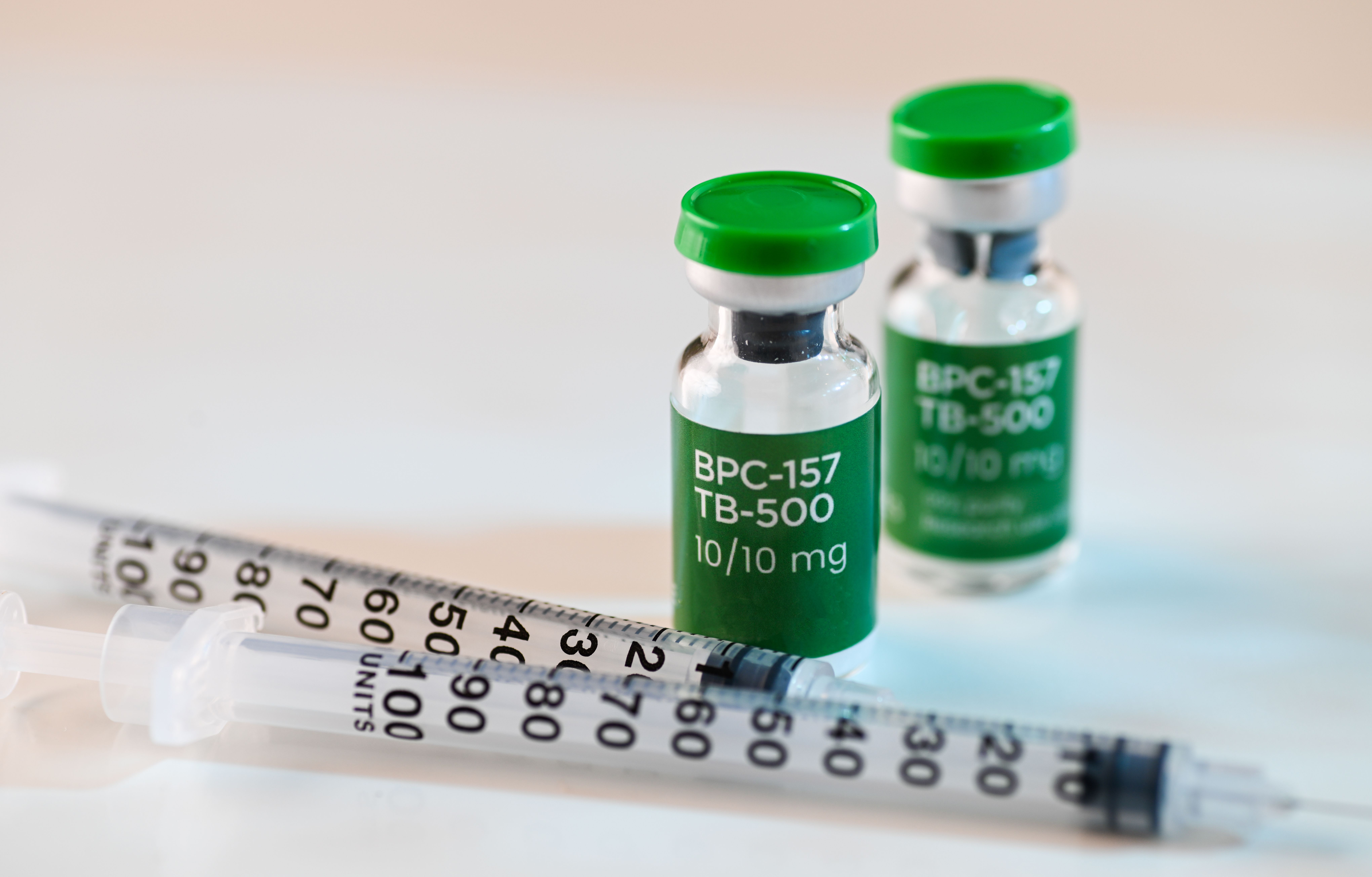
BPC-157 Tissue-Repair & Recovery-Focused Pathways BPC-157 (Body Protection Compound-157) is commonly researched for its interaction with: Tissue-repair and recovery-focused signaling Barrier-function and gastrointestinal-related pathways Cellular-repair and physiological-resilience mechanisms Angiogenesis-related signaling pathways Recovery-focused regenerative research Research involving BPC-157 commonly investigates its potential interaction with soft-tissue and connective-tissue pathways, circulation-related mechanisms, and recovery-focused physiological signaling