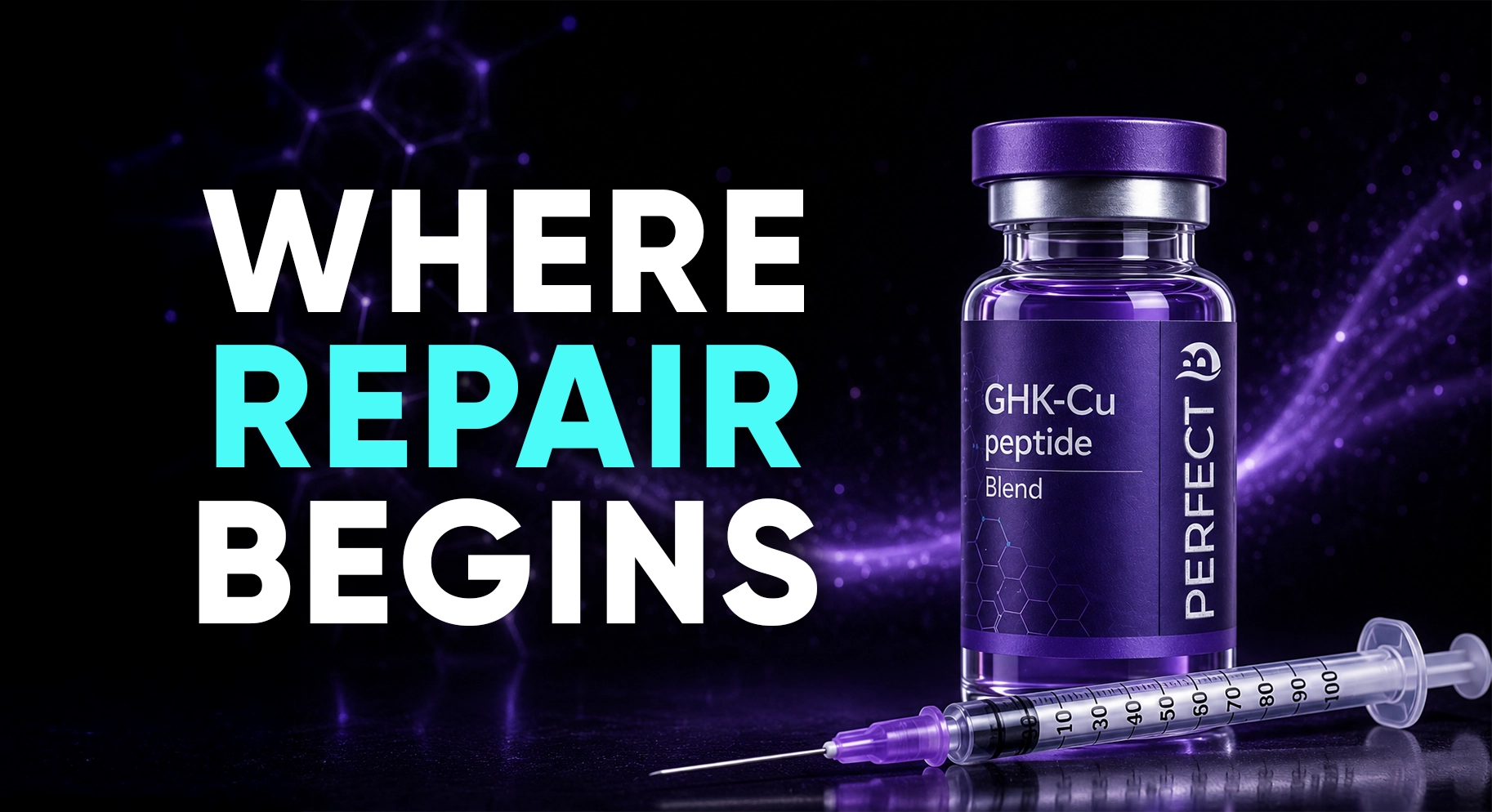
Together, they address multiple healing pathways simultaneously, often producing faster and more complete recovery than single-peptide protocols
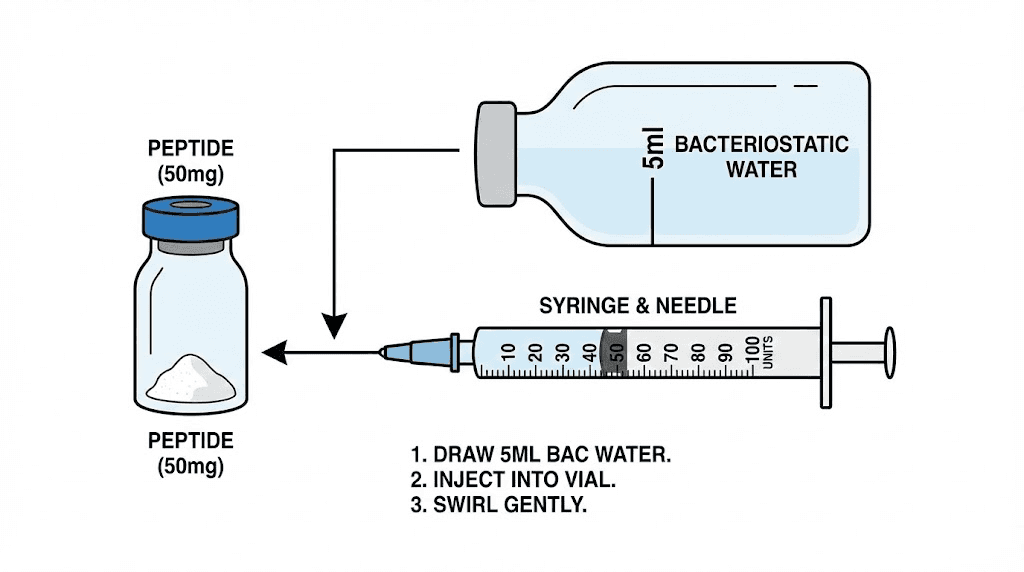
Benefits of combination vials for researchers: Simplified reconstitution workflow (one vial instead of two) Pre-calculated stoichiometric ratios Reduced contamination risk from fewer vial entries Cost efficiency for long-duration studies Researchers interested in the synergistic effects of combined peptides can consult the BPC-157 and TB-500 research overview for more details on co-administration protocols used in preclinical studies
This BPC-157 TB500 combo is widely investigated for amplified effects on soft tissue repair, joint and ligament recovery, inflammation modulation, and accelerated healing dynamics in preclinical injury models
It is an anti-ulcer peptide (9-12), interacting with NO-system (13), and, unlike other peptides, it is particularly stable in gastric juice (14) and is used consistently without a carrier (9-11, 13-24), being safe in patients with the inflammatory bowel disease (coded PL-10, PLD 116, PL 14736) (21)