constructed a synergistic drug release nanoparticle system combining MSCs and Fer-1 with a ROS-responsive drug nanocore mPEG-b-Lys-BECI-TCO for SCI repair
coli containing pET-28b(+) based plasmids (pANT13-16, pANT18, pANT20-21, pANT35, pANT95, pJK1-3, pJK7-9 or site saturation variants of pANT35) were inoculated from an overnight preculture at a ratio of 1:100 in 96-deep-well plates equipped with a CR1296 sandwich cover (EnzyScreen) in 0.5 ml TB medium containing 50 g ml 1 kanamycin sulfate per well and incubated at 37 C, 300 rpm using a 5 cm shaking diameter for 2.5 h
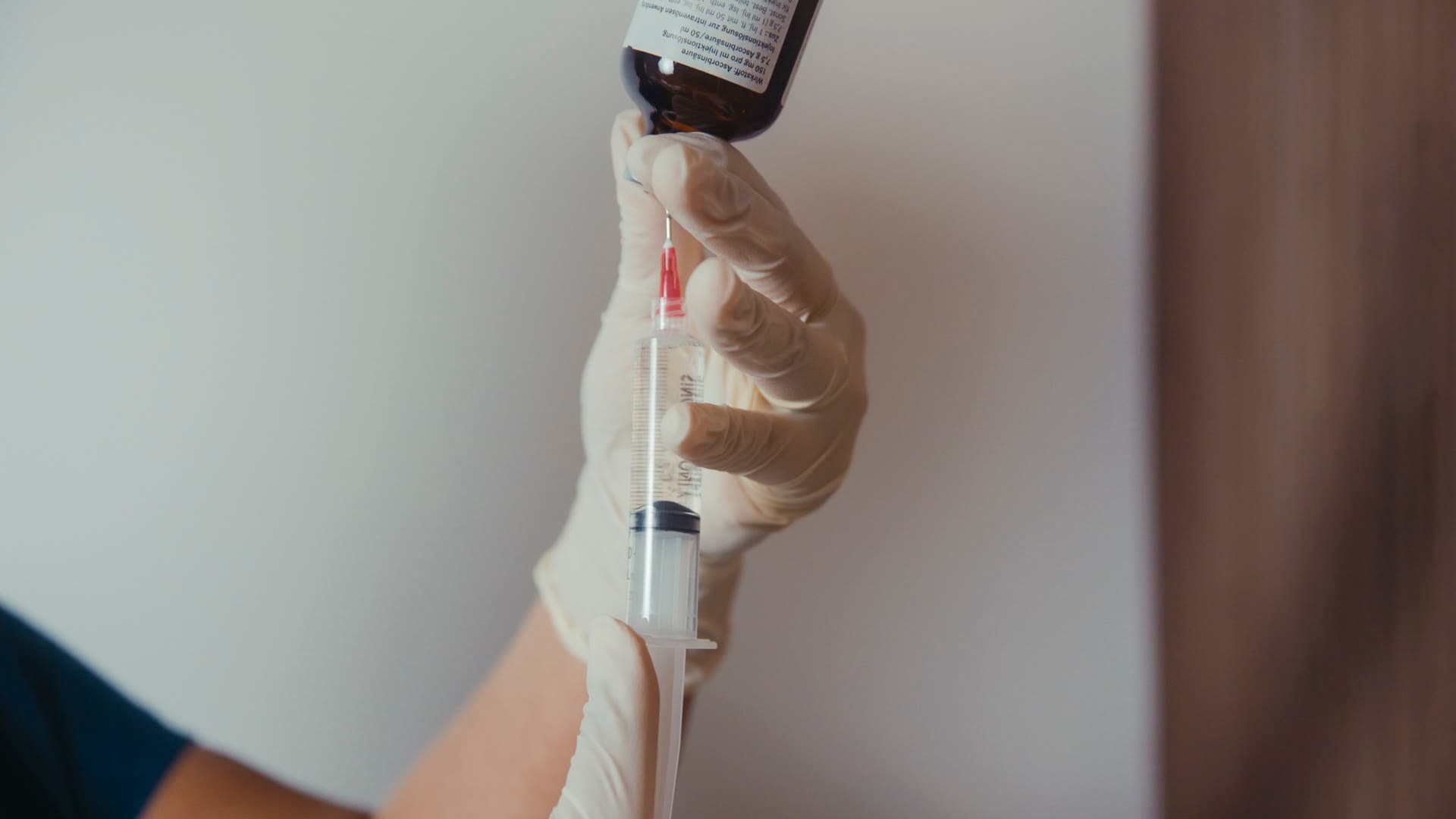
Comparing Delivery Methods Understanding how nasal spray stacks up against other administration routes helps inform the best choice for individual needs: Injection (Subcutaneous/Intramuscular) Highest bioavailability (near 100%) Precise dosing control Requires injection supplies and technique Potential injection site reactions Less convenient for daily use Oral Capsules/Tablets Maximum convenience No special administration technique needed Poor bioavailability due to gastric degradation Inconsistent absorption First-pass liver metabolism Nasal Spray Good bioavailability (60-80% of injection) Rapid absorption Convenient and discreet Bypasses digestive degradation Requires proper spray technique May cause minor nasal irritation For many users, the best peptide retail US suppliers now offer nasal spray formulations that balance effectiveness with practical convenience
We highlight several ongoing controversies in the field, and discuss the role of the microbiome in modulating the availability of NAD + precursors such as nicotinamide riboside (NR) and nicotinamide mononucleotide (NMN), the presence of multiple cellular compartments that have distinct pools of NAD + and NADH, and non-canonical NAD + and NADH degradation pathways