It is also important to note that different conditions affect HbA1c in different ways: Haemolytic anaemia and acute blood loss shorten red cell lifespan and tend to lower HbA1c Iron deficiency anaemia is associated with increased HbA1c, likely due to prolonged red cell survival Haemoglobin variants (haemoglobinopathies) can cause variable or assay-dependent interference the effect depends on the specific variant and the HbA1c method used B12 or folate deficiency alters erythropoiesis and red cell indices, making HbA1c potentially unreliable in either direction Clinicians should therefore: Review the full blood count (FBC) alongside HbA1c Check serum B12 and folate when anaemia or macrocytosis (raised mean corpuscular volume, MCV) is identified Consider alternative glucose assessment methods specifically fasting plasma glucose or a 75 g OGTT for diagnostic purposes, or self-monitored blood glucose (SMBG) or fructosamine/glycated albumin for interim monitoring when HbA1c is unreliable Not sure where to start
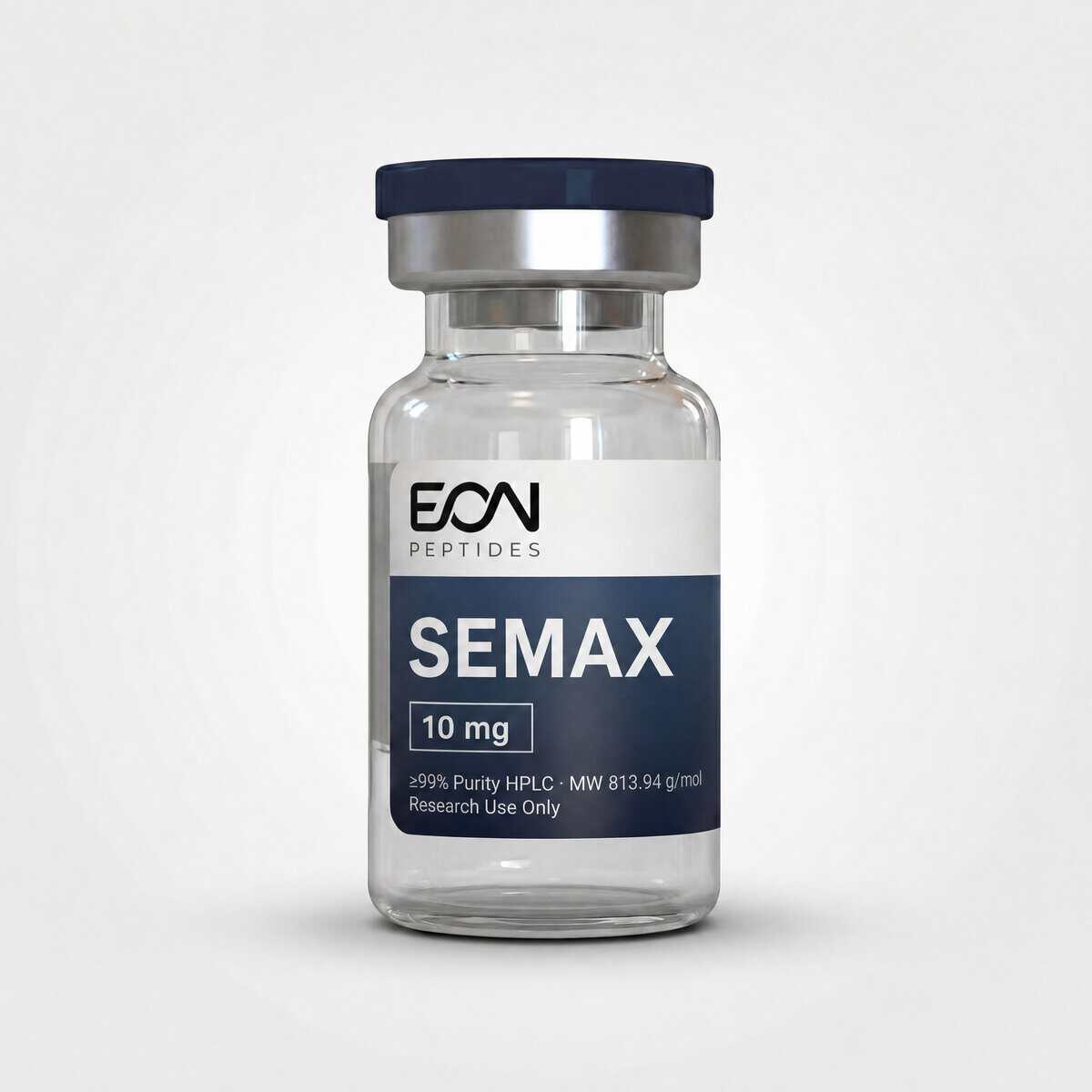
These formats are used in qualified laboratory settings to investigate peptide biology, molecular signaling pathways, protein interactions, extracellular matrix research, cellular communication models, and peptide combination research
The bundle is designed for research settings where both compounds are commonly referenced together in peptide signalling studies, endocrine pathway research models, and controlled laboratory peptide investigations
Vitamin B12 deficiency can be occurring while vitamin B12 levels are at levels not typically associated with deficiency due to the presence of deleterious MTHFR mutations. 5 If you have one or more MTHFR, MTRR or MTR gene mutations, you will be less able to methylate B12 or convert your B12 to methylcobalamin