When studying cellular mechanisms, you need to know that the effects you're observing are from the peptide itself, not from contaminants or synthesis byproducts
Tel : 609-228-6898 Technical Support : [email protected] Purity & Documentation Data Sheet (282 KB) SDS (394 KB) English - EN (394 KB) Franais - FR (394 KB) Deutsch - DE (394 KB) Norwegian - NO (394 KB) Espaol - ES (394 KB) Swedish - SV (394 KB) Italian - IT (394 KB) Korean - KR (394 KB) Portuguese - PT (394 KB) Handling Instructions (2659 KB) References [1]
Insights into butyrate production in a controlled fermentation system via gene predictions

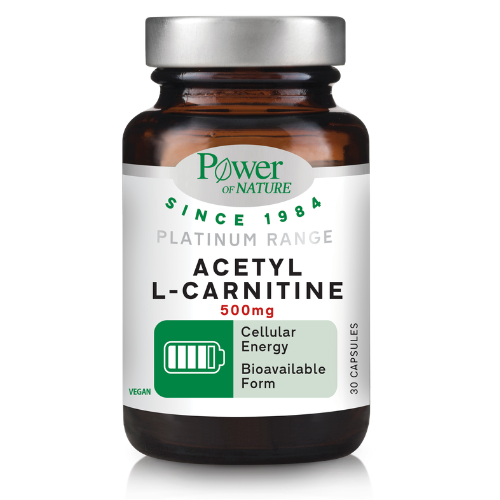
In LPS-induced neuroinflammation models, ALC confers neuroprotection by suppressing the TLR4/NFB pathway, restoring autophagy activity, and inhibiting oxidative stress.[13] ALC reduces microglial activation and release of inflammatory mediators by balancing pro-inflammatory and anti-inflammatory cytokines.[14][15] ALC attenuates microglial activation in a dose-dependent manner, with 100 mg/kg/day showing beneficial effects on LPS-induced neuroinflammation in mice, associated with increased brain-derived neurotrophic factor (BDNF) concentration.[14] In repetitive mild traumatic brain injury models, ALC treatment showed protective effects against neurodegeneration and inflammation, reducing mRNA levels of MAPT, TNF, and GFAP in the cortex.[16] Combination Strategies for Neuroinflammation: ALC 1,500-2,000 mg/day + PEA 1,200 mg/day (complementary anti-inflammatory mechanisms) + Omega-3 fatty acids 2-4 g/day (specialized pro-resolving mediator precursors) + Curcumin 500-1,000 mg/day (complementary NF-B modulation) 4