Seventeen differential metabolites were identified, including cellobiose, chenodeoxycholic acid 3-sulfate, D-alanine, D-alanyl-d-alanine, glycoursodeoxycholic acid 3-sulfate, diaminopimelic acid, D-glutamic acid, deoxyglycocholate, phenylpyruvic acid, urobilinogen, L-homoserine, N2-succinyl-ornithine, hydroxypropionic acid, indoleacetic acid, taurodeoxycholic acid, N-methylnicotinamide, and glycocholic acid (Table S2)
Esophagus dysfunction, sclerodactyly, and telangiectasia (CREST)

For instance, nsPEF exert tumor-ablation effects primarily through subcellular membrane electroporation, offering cell-type specificity with minimal thermal damage while synergizing with chemotherapeuticspositioning it as a promising modality for melanoma treatment ( in vitro ( 3.5 Gliomas For gliomas, PEFs (specifically IRE and nsPEF) effectively address the limitation of traditional chemotherapeutic agents being unable to penetrate the blood-brain barrier (BBB), enabling targeted treatment of tumor lesions while minimizing collateral damage to healthy brain cells ( in vitro biological endpoints and transcriptomic and bioinformatic analyses, that PEFs affects cell proliferation, differentially regulates hypoxia, inflammation, and p53/cell cycle checkpoints, significantly reduces the capacity to form new neurospheres, inhibits invasive potential, and alters the expression of stemness/differentiation genes ( 3.6 Breast cancer PEFs effectively overcome chemoresistance in breast cancer while offering a minimally invasive, safe, and efficacious therapeutic approach

What you will not find is anything close to the evidence base those numbers suggest
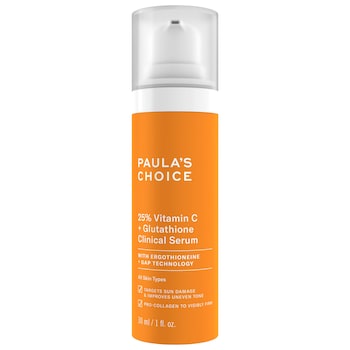
:max_bytes(150000):strip_icc()/byr-vitamin-c-serums-tout-update-e84bfb27c60b4bd6a8d1a70c5f194bca.jpg)
